Predator rods · Pike baitcasting · Our take
Daiwa Prorex XR Pike Baitcast Rod
2.10 m 14–42 g / 2.40 m 40–120 g
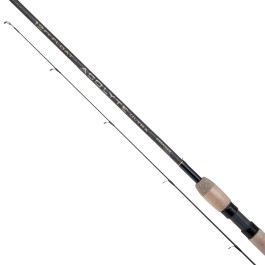
A sharp, lightweight baitcast rod range for pike anglers who want proper lure control without lugging a broom handle around all day.
- Available in 2.10 m / 14–42 g and 2.40 m / 40–120 g versions.
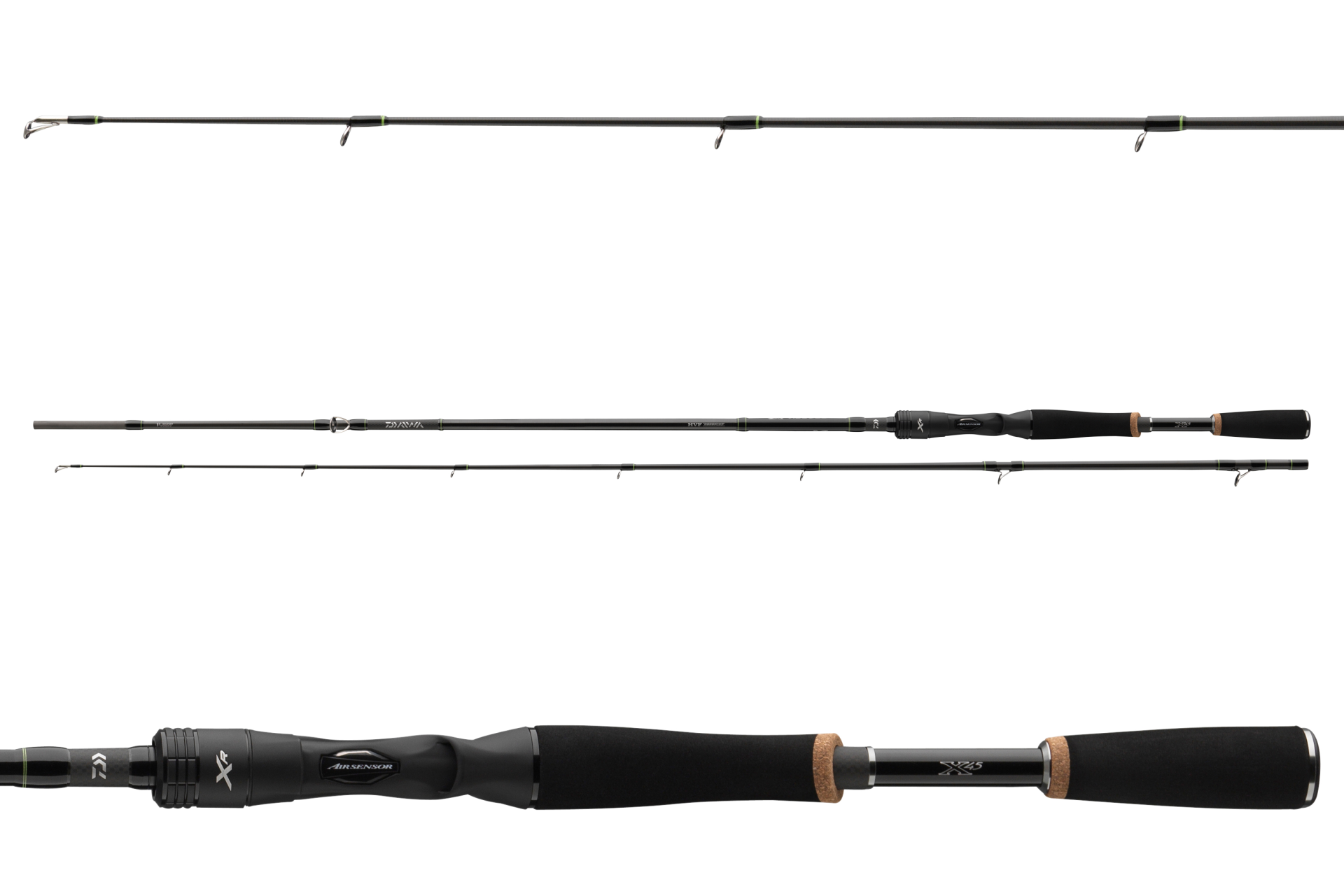
- Both rods are two-section designs using a V-Joint put-over connection.
- The blanks use HVF Nanoplus carbon fibre with X45 carbon fibre technology.
- The 2.10 m model weighs 145 g; the 2.40 m model weighs 165 g.
Make sure it’s the right one. This review covers both Daiwa Prorex XR Pike Baitcast variants. Check the casting range before ordering, as the 2.10 m and 2.40 m models are aimed at noticeably different lure jobs.
Tackle Index Score
Tackle Index score
A well-specced, focused pike baitcast range with two genuinely useful lure bands.
Desk-research score from specs, price and fishing fit · How we score
- Product Quality9.4/10
- Performance9/10
- Impact on Fish Catching8.8/10
- Ease of Use8.6/10
- Value for Money8.8/10
Price alerts are coming soon — we don't track live retailer prices yet, so we'll never guess one.
If you buy through our links, we might get a small kickback, but it won’t cost you a penny extra. As an Amazon Associate I earn from qualifying purchases. The full story
Who it suits
Is it right for you?
Great for
- Pike anglers fishing a spread of lures. The two casting ranges let you match the rod to lighter hardbaits, soft plastics or much heavier pike offerings.
- Multiplier users who like a light, responsive setup. The carbon construction, separated hard EVA grip and Air Sensor reel seat keep the package focused and relatively light.
Maybe skip if
- Anglers who only use a fixed-spool reel. This is a dedicated baitcast rod, so it won’t be the right choice if your whole lure setup is built around a spinning reel.
- Anyone whose lures sit outside the stated casting range. The 14–42 g and 40–120 g models are quite different tools. Don’t try to make one cover the other’s job.
The lowdown
Introducing the Daiwa Prorex XR Pike Baitcast Rod
A sharp, lightweight baitcast rod range for pike anglers who want proper lure control without lugging a broom handle around all day.
- Available in 2.10 m / 14–42 g and 2.40 m / 40–120 g versions.
- Both rods are two-section designs using a V-Joint put-over connection.
- The blanks use HVF Nanoplus carbon fibre with X45 carbon fibre technology.
- The 2.10 m model weighs 145 g; the 2.40 m model weighs 165 g.
Quick verdict
A cracking pike casting tool
The Daiwa Prorex XR Pike Baitcast Rod looks a smart choice if you want a dedicated multiplier rod with a light, crisp feel and useful lure control. The two models cover everything from smaller hardbaits and soft plastics to proper big-pike offerings.
Pick the 2.10 m version for general lure fishing and tighter swims. Go 2.40 m if you regularly chuck heavier baits, need extra casting reach or fish larger open-water venues. Both look properly sorted for predator work.
A well-specced, focused pike baitcast range with two genuinely useful lure bands.
Desk-research score from specs, price and fishing fit · How we score
- Product Quality
- 9.4/10
- Performance
- 9/10
- Impact on Fish Catching
- 8.8/10
- Ease of Use
- 8.6/10
- Value for Money
- 8.8/10
HVF Nanoplus carbon, X45 construction, Fuji Alconite K-guides and a Daiwa Air Sensor reel seat are strong appointments.
The two lengths and casting ranges should give clear, controlled lure work across lighter and heavier pike fishing.
Good lure control, casting choice and blank technology can help you present baits accurately and fish longer.
The two-section build and hard EVA handle are practical, though baitcasting itself has a learning curve.
The component package and specialist pike focus make it a strong proposition in the higher-value predator rod bracket.
Head to head
How it stacks up
Side by side with the closest kit we've reviewed. This updates as we add more reviews.
Daiwa
Daiwa Prorex XR Pike Baitcast Rod (this one)
Top scorer
Top scorer
Scores are our own, out of 10. Best in each row is in green. Prices change, so check the latest before you buy.
The full rundown
Everything you'll want to know about the Daiwa Prorex XR Pike Baitcast Rod
The Daiwa Prorex XR Pike Baitcast Rod is aimed squarely at lure anglers who want a dedicated pike setup rather than a general-purpose rod doing a bit of everything. That’s a good start. Pike lures can be hard work, especially when you’re chucking all day, and the right baitcast rod should give you control without making your arm feel like it’s been dragged through a hedge.
There are two versions, and they’re properly different rather than just a cosmetic length choice. The 2.10 m model is rated from 14–42 g, making it the one for lighter and medium lure work. Think smaller hardbaits, spinnerbaits, jerkbaits and soft plastics that don’t need a bucket of lead to get moving. It weighs 145 g and has a 111 cm closed length.
The 2.40 m version steps up to 40–120 g and weighs 165 g, with a 127 cm closed length. That’s the model for bigger rubber, heavier hardbaits and more demanding pike work. The extra length can help when you need to steer a lure around a wide swim, keep line clear of bankside rubbish or put a bit more distance into a cast.
That split also makes the buying decision pretty simple, mate: look at the lures you actually fish. If most of your box is below 40 g, the lighter rod is the obvious shout. If you’re regularly throwing substantial pike baits, the heavy model gives you the headroom you need. Don’t buy the biggest one just because it sounds more capable. A rod that’s over-gunned for your lures can feel a bit naff.
Daiwa has built the blanks using HVF Nanoplus carbon fibre and X45 carbon fibre technology. In plain English, that points towards a lightweight, controlled blank designed to resist unwanted twisting while you’re casting and working lures. That matters with baitcasting, where crisp lure control and a predictable loading action make life much easier when you’re trying to place a bait tight to cover.
Both versions are two-section rods with a V-Joint put-over connection. That keeps transport and storage more manageable than a one-piece pike rod, while still giving you a conventional connected blank once assembled. The shorter model is especially friendly for compact holdalls and boat work. The longer rod’s 127 cm closed length is still sensible, but you’ll want to check your rod luggage before buying.
The fittings are nicely on message for predator fishing too. You get Fuji Alconite K-guides, with nine on the 2.10 m model and ten on the 2.40 m. There’s a Daiwa Air Sensor reel seat and a separated hard EVA grip. Hard EVA is easy to wipe clean after a wet, mucky session, and the split handle keeps the whole thing looking tidy without adding unnecessary bulk.
On the bank, the 2.10 m rod should be the more nimble option. It’ll suit canals, smaller lakes, boat fishing and swims where you’re flicking lures into pockets rather than launching them towards the horizon. The 2.40 m rod is more at home on open reservoirs and larger stillwaters, where extra reach and heavier lure control can make a proper difference.
Just remember that a rod is only one part of a baitcast setup. Match the reel to the lure weight, spool it sensibly and use a proper pike trace. Check the total weight of lure, hooks, split rings and leader when you’re near the top end. Get that pairing bob on and the Prorex XR XR Pike Baitcast range looks like a focused, high-value option for serious pike lure work.
Specifications
The nuts and bolts
- Available models
- 2.10 m / 14–42 g and 2.40 m / 40–120 g
- Sections
- Two-section rods with V-Joint put-over connection
- Blank
- HVF Nanoplus carbon fibre with X45 carbon fibre technology
- Guides
- Fuji Alconite K-guides; 9 on the 2.10 m model and 10 on the 2.40 m model
- Handle and reel seat
- Separated hard EVA grip with Daiwa Air Sensor reel seat
- Weight and closed length
- 2.10 m: 145 g and 111 cm closed; 2.40 m: 165 g and 127 cm closed
Specs checked with Daiwa, Oct 2026.
Spot a model or spec change?
Our take
The key decision is the casting range
This isn’t just one pike rod in two lengths. The 14–42 g model and 40–120 g model sit in different parts of the lure-fishing game. Choose around the baits you actually use, not simply the longest rod you can fit in the holdall.
The 2.10 m rod should appeal to anglers fishing from boats, tight margins and snaggy swims where quick lure control matters. The 2.40 m version brings more reach and heavier lure capability for bigger waters, larger rubber and chunky pike offerings.
A closer look
Purpose-built kit for lure control
The Prorex XR Pike Baitcast Rod range is built around two jobs. The 2.10 m / 14–42 g model is the lighter, more compact option, while the 2.40 m / 40–120 g model is aimed at heavier pike baits and bigger water. Both are two-section rods with a V-Joint put-over connection, so transport is far less of a faff than with a one-piece blank.
The HVF Nanoplus carbon fibre blank uses Daiwa’s X45 carbon fibre technology. Add the Fuji Alconite K-guides, Air Sensor reel seat and separated hard EVA grip, and the spec reads like a proper predator rod rather than a generic lure blank with a different badge stuck on it.
Worth knowing. Treat the casting ranges as genuine working guides. If your lure weighs 45 g all-in, it belongs much more naturally on the 40–120 g model than the 14–42 g rod. Include jigheads, stingers and hardware when weighing your finished setup.
Who it suits
Pick the length around your venues and lures
The 2.10 m version is the tidy all-rounder for anglers using lighter pike lures. It should feel at home in canals, smaller stillwaters, boats and tight margins, where a shorter rod helps you work a lure around cover without clattering into every branch behind you.
The 2.40 m model is the one for bigger offerings and more open swims. Extra length can help with casting, lure control and steering a hooked pike away from trouble. At 165 g, it remains reasonably light for a rod rated up to 120 g, though the longer blank and larger lures will naturally make a session more physical.
Neither model is the obvious pick for someone who only fishes tiny perch lures or wants a fixed-spool outfit. This is pike baitcast tackle, so the reel, braid, trace and lure weights all need to be chosen as one balanced system.
FAQs in full
The bits you’ll want clear before buying
The rod is for pike, but the important limit is lure weight rather than the size of fish you hope to catch. Keep the finished lure setup within the 14–42 g range and use suitable pike terminal tackle. For regular heavy rubber and large hardbaits, step up to the 2.40 m / 40–120 g model.
It can be, especially on open banks where extra reach and casting distance help. But a longer rod isn’t automatically better everywhere. In tight swims, boats and snaggy margins, the 2.10 m model should be easier to manoeuvre and less tiring with repeated short casts.
Match the reel’s lure-friendly spool and braking to the weights you’ll throw, then use suitable braid and a reliable pike trace. Keep the whole outfit balanced in your hand. A cracking rod can still feel a bit rubbish if it’s paired with a reel that’s too heavy or poorly suited to the lure range.
On paper
Pros & cons
What we like
- Two useful casting ranges cover a broad spread of pike lures.
- Lightweight blanks should help keep wrist and arm fatigue under control.
- HVF Nanoplus carbon fibre and X45 construction give the range a serious technical backbone.
- Fuji Alconite K-guides and the Daiwa Air Sensor reel seat are proper quality touches.
- Separated hard EVA grip is practical, tidy and easy to live with on the bank.
Worth knowing
- The two models are quite specialist, so choosing the wrong casting range could leave your favourite lures sitting outside the sweet spot.
- A baitcast setup takes more skill than a fixed-spool outfit, especially when throwing into wind.
- The 2.40 m model is still fairly compact for a pike rod, but its 127 cm closed length needs a decent rod holdall.
Want one?
Add it to your Wanted list or join a Group Buy — shops see anonymous totals only.
Your questions answered
What anglers want to know
The stuff you’d ask your mate on the next peg. Straight answers, no waffle.
01Which Daiwa Prorex XR Pike Baitcast Rod should I choose?
Which Daiwa Prorex XR Pike Baitcast Rod should I choose?
Choose the 2.10 m 14–42 g model for lighter and medium pike lures, tighter swims and a more compact feel. Choose the 2.40 m 40–120 g model for heavier baits, bigger waters and extra casting reach.
02Is this rod suitable for soft-plastic pike fishing?
Is this rod suitable for soft-plastic pike fishing?
Yes, provided your soft plastic, jighead and stinger setup sits within the rod’s casting range. Keep the total weight in mind, not just the weight printed on the lure packet.
03Will it work with any baitcast reel?
Will it work with any baitcast reel?
It’s designed for a baitcast reel, but match the reel, braid and leader to the lure range and pike work you’re doing. A reel with suitable line capacity and a reliable drag is the sensible pairing.
What anglers say
The word from the bank
Our read: a cracking pike casting tool. The strongest reasons to choose it are two useful casting ranges cover a broad spread of pike lures. and lightweight blanks should help keep wrist and arm fatigue under control.; the main trade-off is the two models are quite specialist, so choosing the wrong casting range could leave your favourite lures sitting outside the sweet spot..
Our take on the feedback
Why it appeals
Checked Sept '26 — “Two useful casting ranges cover a broad spread of pike lures.”
Best fit
Checked Sept '26 — “Pike anglers fishing a spread of lures: The two casting ranges let you match the rod to lighter hardbaits, soft plastics or much heavier pike offerings.”
Worth knowing
Checked Sept '26 — “The two models are quite specialist, so choosing the wrong casting range could leave your favourite lures sitting outside the sweet spot.”
Tackle Index’s take from the product details and fishing fit we checked. We haven’t found enough independent public feedback to call this an angler consensus yet.
Angler score
What our readers rate Daiwa Prorex XR Pike Baitcast Rod
No angler score yet — nobody's reviewed Daiwa Prorex XR Pike Baitcast Rod here. Be the first and get the score started.
Owner reports
Own this? Help the next angler.
Quick multiple-choice reports from people who say they own the Daiwa Prorex XR Pike Baitcast Rod. Not verified purchases, and kept separate from our score.
No owner reports yet.
Alternatives & go-withs