ESP
ESP Predator Fluorocarbon
Predator tackle · Fluorocarbon hooklinks · Our take
ESP Predator Fluorocarbon
Predator Fluorocarbon hooklink material
A low-visibility fluorocarbon hooklink for predator anglers who want a neat trace, decent abrasion resistance and less faff than wire.
- Clear fluorocarbon trace material designed for predator fishing.
- Useful for neat pike traces, deadbait rigs and selected lure presentations.
- Low visibility can help in clear water and pressured swims.
- Always inspect the trace after contact with a pike’s teeth, weed, rocks or snags.
Make sure it’s the right one. This is ESP Predator Fluorocarbon: a clear fluorocarbon trace material aimed at pike and other toothy predator rigs, rather than a carp or coarse-fishing main line.
Tackle Index Score
Tackle Index score
A smart, versatile predator trace for stealthy presentations, provided you respect its limits and keep it in top nick.
Desk-research score from specs, price and fishing fit · How we score
- Product Quality9/10
- Performance8.8/10
- Impact on Fish Catching8.9/10
- Ease of Use8.4/10
- Value for Money8.6/10
Price alerts are coming soon — we don't track live retailer prices yet, so we'll never guess one.
If you buy through our links, we might get a small kickback, but it won’t cost you a penny extra. As an Amazon Associate I earn from qualifying purchases. The full story
Who it suits
Is it right for you?
Great for
- Pike anglers fishing clear or pressured venues. The clear finish keeps the trace relatively unobtrusive while still giving you a tidy terminal setup.
- Anglers who like building their own predator rigs. You can cut traces to the exact length you need and tailor them around deadbaits, lures and different hook arrangements.
Maybe skip if
- Anyone fishing where bite-offs are a serious possibility. Wire remains the safer choice when large pike, heavy pressure or awkward takes make tooth protection the priority.
- Beginners who rarely inspect terminal tackle. Fluorocarbon demands honest checks after every fish, snag and rough encounter. Ignore damage and you’re asking for a sad one.
The lowdown
Introducing the ESP Predator Fluorocarbon
A low-visibility fluorocarbon hooklink for predator anglers who want a neat trace, decent abrasion resistance and less faff than wire.
- Clear fluorocarbon trace material designed for predator fishing.
- Useful for neat pike traces, deadbait rigs and selected lure presentations.
- Low visibility can help in clear water and pressured swims.
- Always inspect the trace after contact with a pike’s teeth, weed, rocks or snags.
Quick verdict
A cracking option for clear-water predator rigs
ESP Predator Fluorocarbon gives you a clean, low-visibility trace for pike fishing, with enough stiffness and abrasion resistance to make it useful around snags, weed and rough margins.
It won’t replace wire for every pike situation, especially where bite-offs are a genuine risk, but for anglers who understand its limits it’s a tidy, versatile bit of terminal tackle. Proper handy in clear water.
A smart, versatile predator trace for stealthy presentations, provided you respect its limits and keep it in top nick.
Desk-research score from specs, price and fishing fit · How we score
- Product Quality
- 9/10
- Performance
- 8.8/10
- Impact on Fish Catching
- 8.9/10
- Ease of Use
- 8.4/10
- Value for Money
- 8.6/10
A purpose-built predator fluorocarbon with the right combination of clear finish, stiffness and abrasion resistance.
It should give tidy presentation and useful tangle reduction across deadbait and selected lure rigs.
Low visibility can help in clear, pressured water, though it won’t compensate for poor rigging or wary fish.
Simple to cut and build with, but knots, crimps and regular damage checks need proper care.
A spool offers flexible trace lengths and can be economical, although replacement is essential whenever the material is marked.
Head to head
How it stacks up
Side by side with the closest kit we've reviewed. This updates as we add more reviews.
ESP
ESP Predator Fluorocarbon (this one)
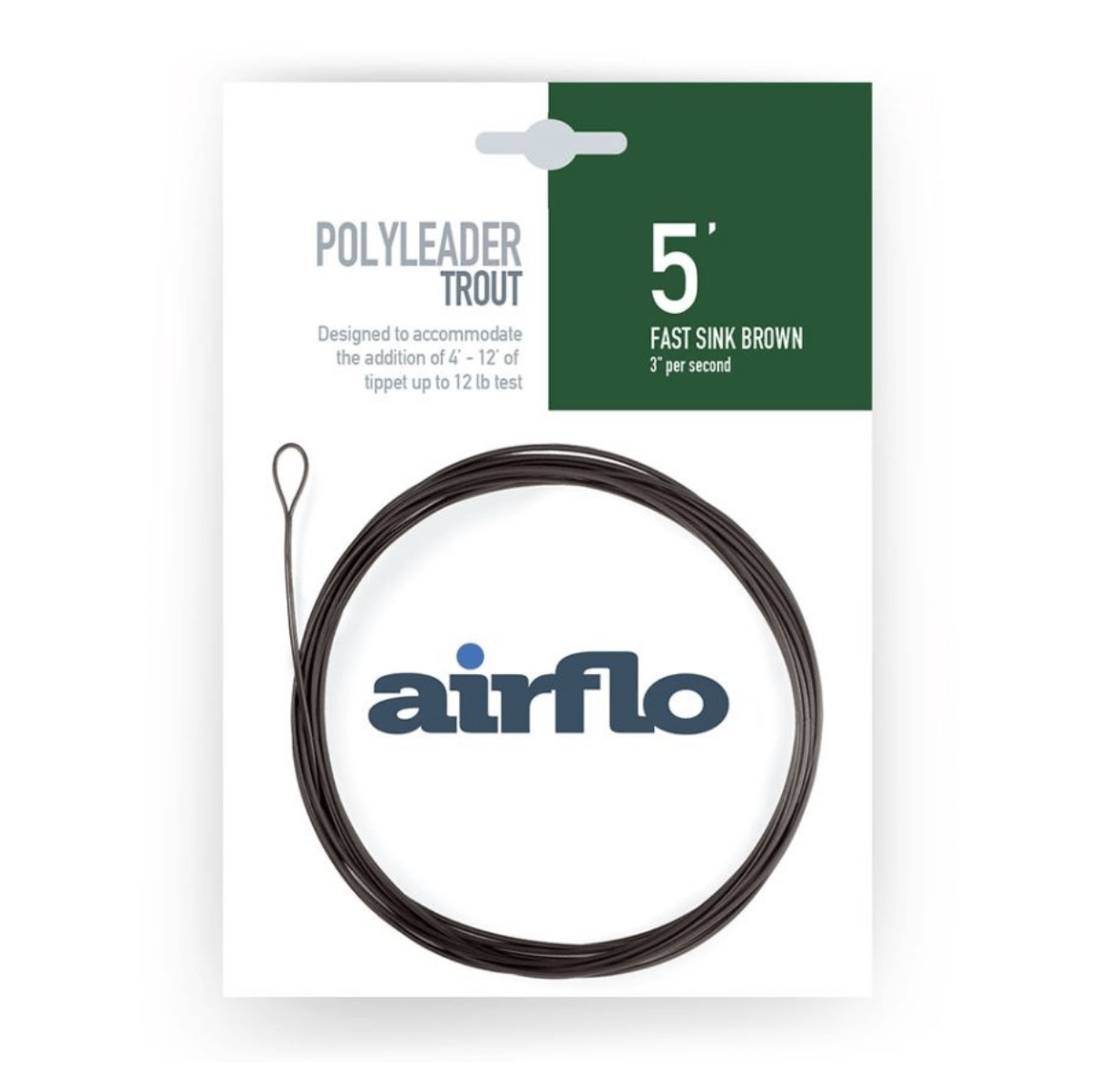
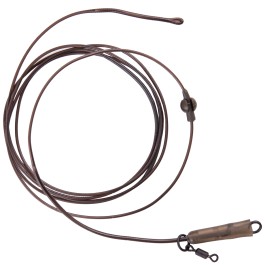
Top scorer
Top scorer
Scores are our own, out of 10. Best in each row is in green. Prices change, so check the latest before you buy.
The full rundown
Everything you'll want to know about the ESP Predator Fluorocarbon
Pike fishing terminal tackle can get a bit overcomplicated. You’ve got wire traces, titanium, coated leaders, swivels, crimps, trebles and enough tiny bits to fill half a tackle box. ESP Predator Fluorocarbon takes a simpler route: a clear, single-strand trace material you cut and build into the rig you actually need.
The obvious draw is stealth. Fluorocarbon is far less conspicuous than a chunky dark trace, especially in clear water, bright weather and shallow margins where a pike gets plenty of time to inspect the bait. It won’t make a stubborn fish switch on like magic, but it can help keep the terminal end looking neat and unobtrusive.
That makes it a good match for small deadbaits, lightly fished roach sections and lure work where a bulky leader can spoil the movement. A short, clean trace lets the bait turn naturally and keeps the business end from looking like a bit of garden fencing. Always a bonus when the water’s gin clear and the pike are following without committing.
There’s useful stiffness here too. Fluorocarbon doesn’t behave like limp mono, so it can help keep hooks separated from the bait and reduce those annoying tangles after a cast. For a deadbait rig, that can mean less faff on the bank and more time with the bait fishing properly instead of sorting a little terminal spaghetti.
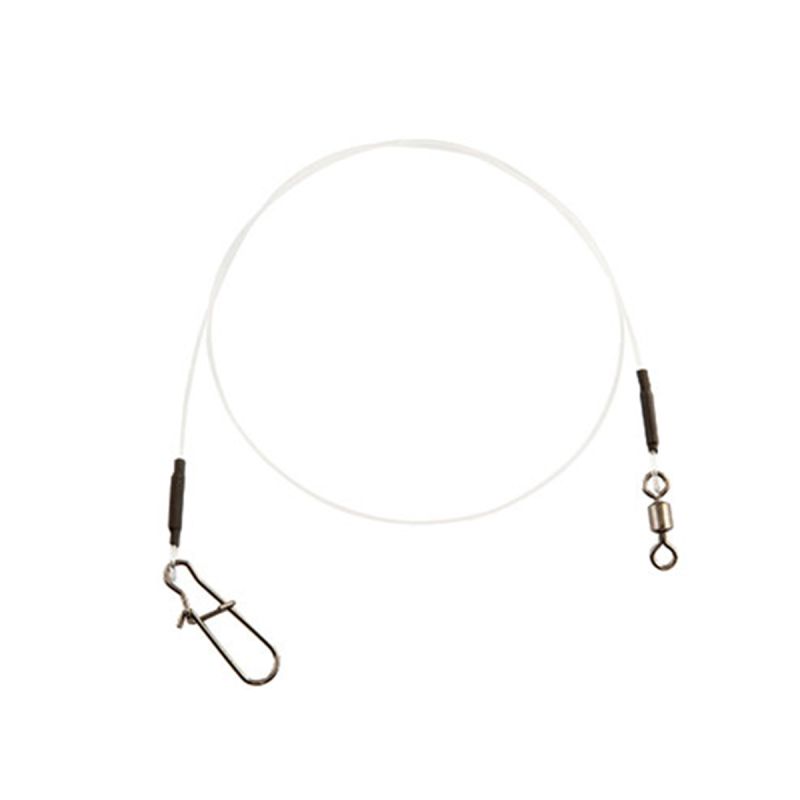
Building a trace is fairly straightforward, but don’t rush it. Use reliable predator swivels and snaps, keep bends smooth, and make sure your knots are properly seated. Some anglers prefer crimps with fluorocarbon, while others tie direct depending on the material diameter and rig design. Either way, test each connection with steady pressure before it goes anywhere near a pike.
The big caveat is the word predator. Pike have serious dentistry, and fluorocarbon isn’t a force field. It can cope with abrasion and general rough treatment, but a clean bite-off is still possible. If you’re fishing over thick weed, near sunken timber or in a venue packed with big pike, wire may be the bob-on choice. Losing a bait is one thing; losing a fish with hooks in it is another.
That doesn’t make this material a bad idea. It just means you need to use it with a bit of nous. Pick the trace strength for the job, avoid ridiculously light terminal tackle, and inspect the full length after every fish. Run your fingers along it. If it feels rough, cloudy, kinked or flattened, bin that section and tie a fresh one.
It’s also worth carrying spare made-up traces in a rig wallet. Cold fingers, fading light and a pike flapping in the unhooking mat aren’t ideal conditions for delicate terminal work. A couple of ready-to-go traces mean you can get the rod back out quickly after a bite-time bit of action, rather than faffing around while the swim goes quiet.
For lure anglers, the appeal is much the same. A tidy clear trace can preserve lure movement and look less intrusive than a heavy leader. Still, match it to the lure and the venue. Around sharp rocks, dense snags or fish that are likely to roll hard, the safer option may be a proper wire or titanium trace.
So, where does ESP Predator Fluorocarbon sit? It’s a useful specialist tool rather than an all-conditions answer. In clear water, pressured swims and situations where presentation matters, it can be a cracking choice. Used carelessly, it’s a bit naff and risky. Used sensibly, it gives predator anglers a clean, versatile way to build neat traces without loads of faff.
Specifications
The nuts and bolts
- Type
- Fluorocarbon predator trace material
- Main use
- Pike traces, deadbait rigs and selected lure rigs
- Appearance
- Clear
- Construction
- Single-strand fluorocarbon
- Line format
- Supplied on a spool for making your own traces
- Best suited to
- Clear-water and general predator fishing where stealth matters
Specs checked with ESP, Oct 2026.
Spot a model or spec change?
Our take
The big angle: stealth without loads of faff
Fluorocarbon’s main attraction is how unobtrusive it looks underwater. That can be a real edge when pike are following slowly, fishing pressured venues or working small deadbaits and lures in clear water.
The other bonus is presentation. This material gives you a neat, streamlined trace that’s easy to build into a deadbait rig, lure trace or short hooklink. Just keep the knots tidy and check it after every fish or snag.
What you’re buying
A clear trace material for building your own predator rigs
ESP Predator Fluorocarbon comes as trace material on a spool, so you’re not tied to one fixed leader length. Cut a short trace for lure work, go longer for a deadbait rig, or keep several lengths ready in your rig wallet. That flexibility is dead handy when the swim, bait or hook arrangement changes.
Its clear finish and abrasion resistance are the main selling points. The material also has enough stiffness to help keep a rig tidy, reducing the chance of hooks catching the trace or bait during the cast. Use quality components and make sure every connection is properly secure.
Worth knowing. Fluorocarbon is a stealthy, abrasion-resistant trace, not a guaranteed bite-proof shield. Check it after every fish, snag and heavy weed encounter. If it’s marked, replace it.
On the bank
Best used when presentation and low visibility matter
This is a strong fit for pike anglers fishing clear water, pressured lakes, canals and rivers where fish have time to study the bait. It also suits anglers who enjoy making their own traces and want to adjust length and hook placement for different deadbaits or lures.
It’s less suitable as a blanket replacement for wire. If the venue has big pike, heavy snags or poor visibility where takes can be savage and hard to control, bite protection should come first. Pick the safer material when the situation calls for it.
A good routine is simple: inspect the trace before fishing, check the knot and swivel, then run your fingers down the material after each fish. That tiny bit of discipline can save a proper headache.
Quick answers
The stuff anglers usually want to know
Yes. Its clear finish and manageable stiffness make it useful for neat deadbait traces. Build the rig around strong predator components and keep the trace length sensible for the bait and swim.
Not outright. It’s stealthier and can present beautifully, while wire offers more dependable protection from pike teeth. The better choice depends on water clarity, snags, fish size and how much risk you’re prepared to accept.
Fishing damaged fluorocarbon. A tiny nick can become a very expensive failure when a lump turns its head during the fight. Check it often and replace suspect sections straight away.
On paper
Pros & cons
What we like
- Low visibility in clear water.
- Neat and relatively simple to build into predator rigs.
- Useful stiffness for helping reduce tangles and keeping hooks away from the bait.
- Good abrasion resistance for general predator work when used sensibly.
Worth knowing
- Not as bite-proof as properly chosen pike wire.
- Needs regular checking and replacing after damage.
- Knots and crimps need care; a rushed connection can let the side down.
Want one?
Add it to your Wanted list or join a Group Buy — shops see anonymous totals only.
Your questions answered
What anglers want to know
The stuff you’d ask your mate on the next peg. Straight answers, no waffle.
01Is ESP Predator Fluorocarbon bite-proof?
Is ESP Predator Fluorocarbon bite-proof?
No material should be treated as magically bite-proof. Fluorocarbon offers abrasion resistance and low visibility, but pike teeth can still damage or cut it. Check it carefully after every contact and use wire where the situation demands maximum security.
02What can I use it for?
What can I use it for?
It’s suited to making pike traces for deadbaits, livebait where legal, and some lure presentations. It’s especially useful when you want a clear, neat trace and the water is relatively clean or clear.
03How should I look after a fluorocarbon trace?
How should I look after a fluorocarbon trace?
Keep an eye out for cloudy patches, nicks, flattened sections and roughness. Run your fingers along the whole trace after a fish or snag. If anything feels suspect, chop it off and tie a fresh section. Don’t try to save a few quid and lose a proper fish.
What anglers say
The word from the bank
Our read: a cracking option for clear-water predator rigs. The strongest reasons to choose it are low visibility in clear water. and neat and relatively simple to build into predator rigs.; the main trade-off is not as bite-proof as properly chosen pike wire..
Our take on the feedback
Why it appeals
Checked Sept '26 — “Low visibility in clear water.”
Best fit
Checked Sept '26 — “Pike anglers fishing clear or pressured venues: The clear finish keeps the trace relatively unobtrusive while still giving you a tidy terminal setup.”
Worth knowing
Checked Sept '26 — “Not as bite-proof as properly chosen pike wire.”
Tackle Index’s take from the product details and fishing fit we checked. We haven’t found enough independent public feedback to call this an angler consensus yet.
Angler score
What our readers rate ESP Predator Fluorocarbon
No angler score yet — nobody's reviewed ESP Predator Fluorocarbon here. Be the first and get the score started.
Owner reports
Own this? Help the next angler.
Quick multiple-choice reports from people who say they own the ESP Predator Fluorocarbon. Not verified purchases, and kept separate from our score.
No owner reports yet.
Alternatives & go-withs