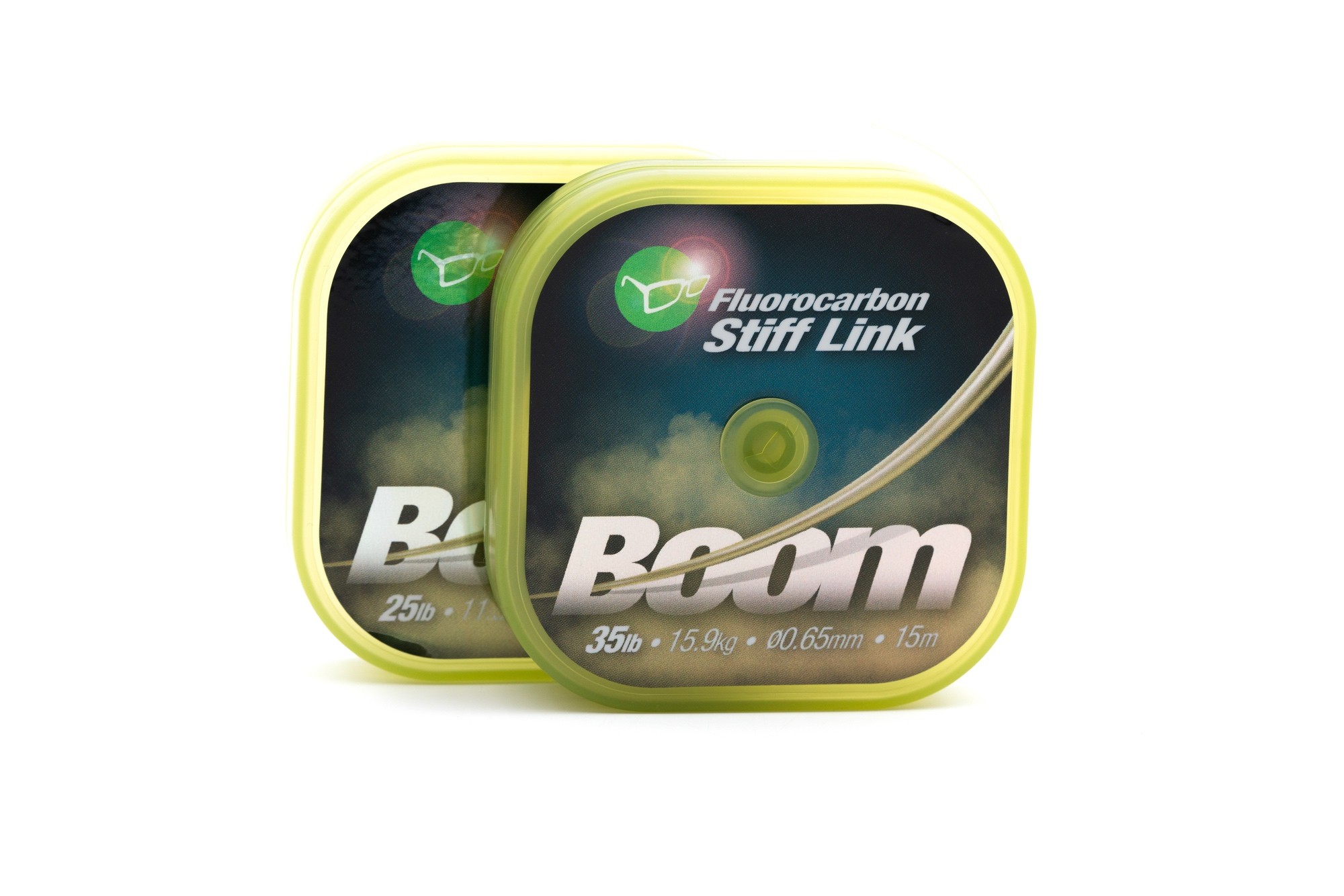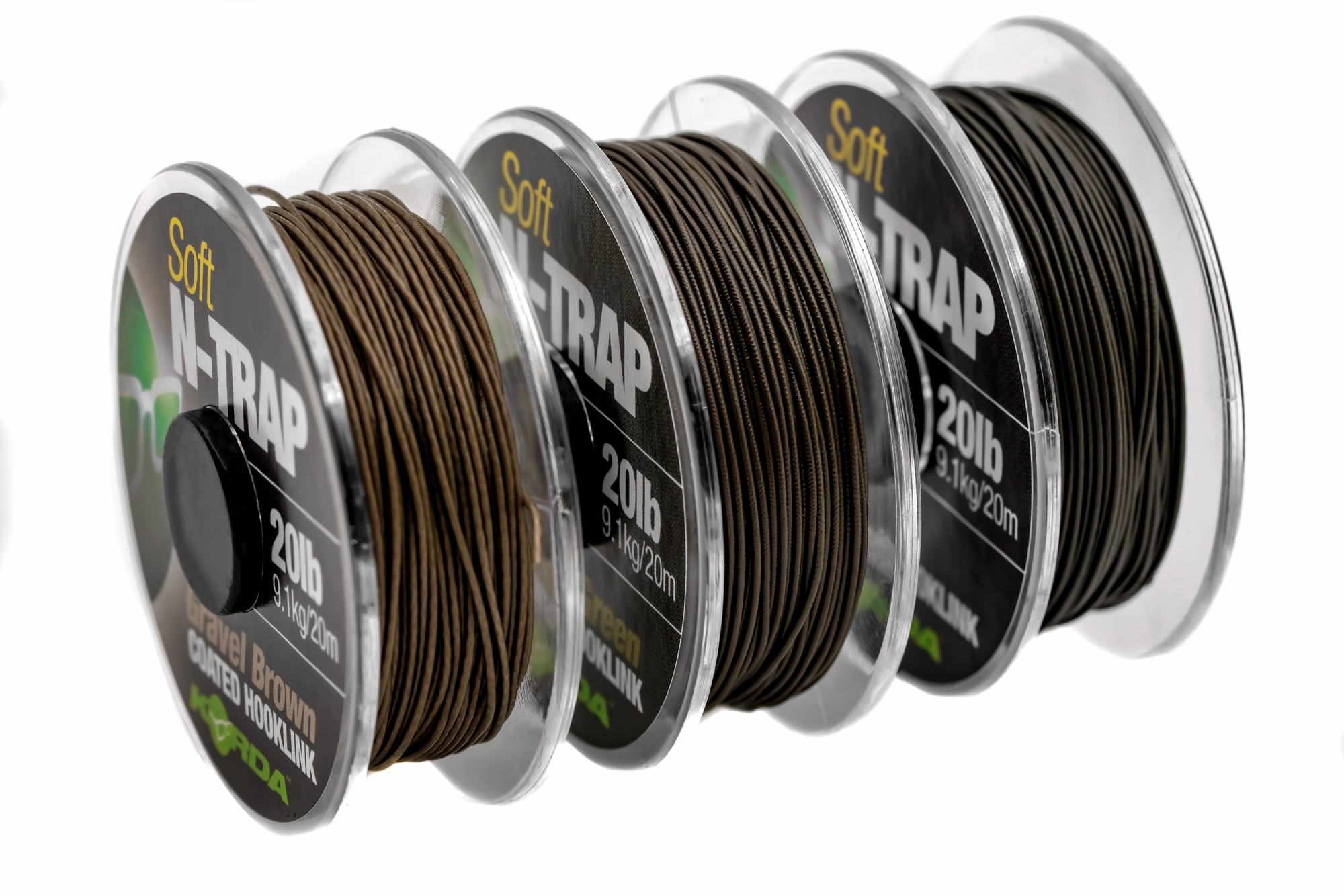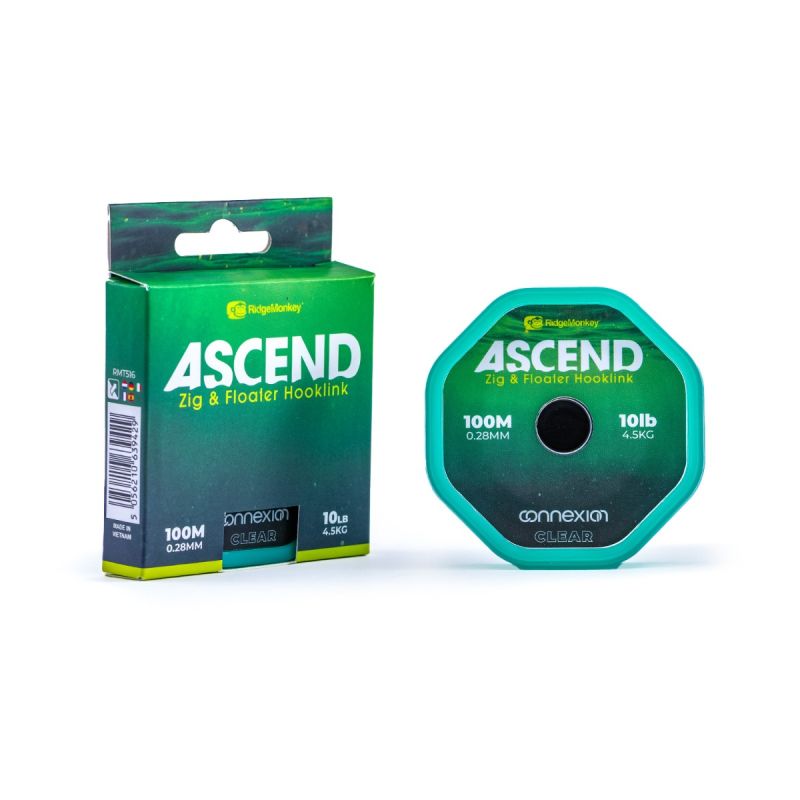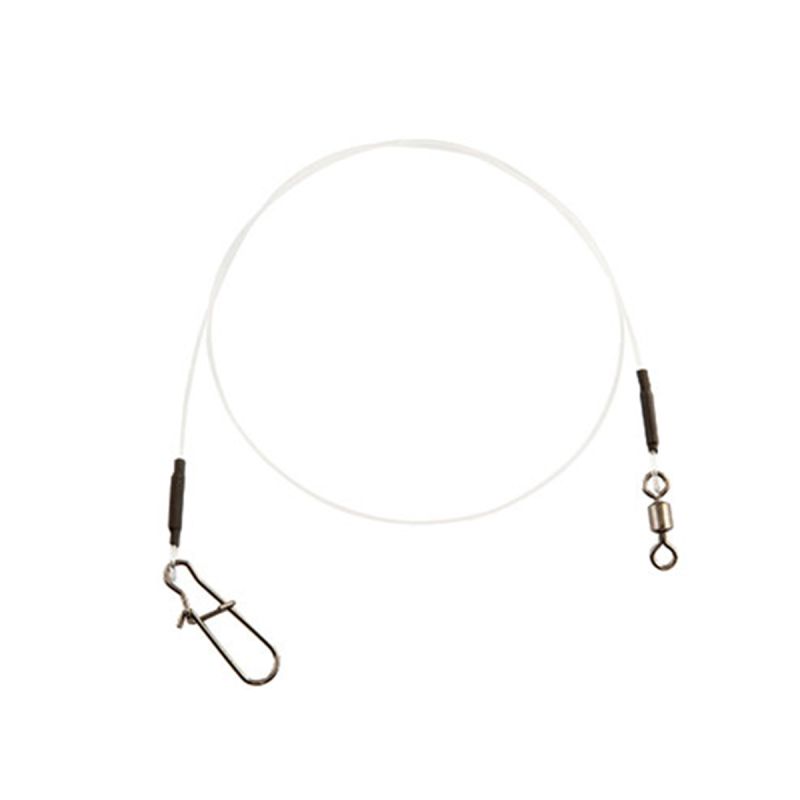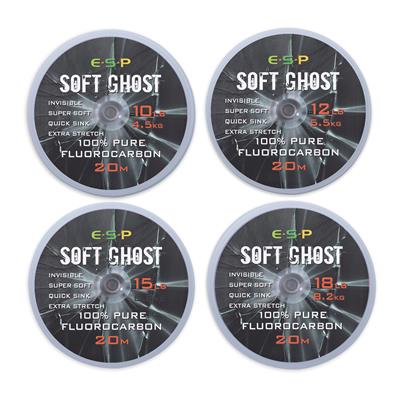
Photos: ESP · product images found via web image search
Coarse match · Fluorocarbon hooklinks · Our take
ESP Soft-Steel Fluorocarbon
ESP Soft-Steel Fluorocarbon
A low-visibility fluorocarbon that gives coarse and match anglers a neat, reliable way to fish subtle hooklinks without loads of faff.
- A low-visibility fluorocarbon line intended for hooklinks and terminal tackle.
- Softer and easier to work with than many traditional, very stiff fluorocarbon materials.
- Useful for clear water, pressured venues and cautious coarse fish.
- Best tied with neat, well-moistened knots and checked regularly for damage.
Make sure it’s the right one. This review covers ESP Soft-Steel Fluorocarbon hooklink material, not ESP’s stiffer fluorocarbon products or a coated braid.
Tackle Index Score
Tackle Index score
A versatile, stealthy hooklink that offers plenty for coarse and match anglers, with the usual fluorocarbon caveats around knots, memory and heavy cover.
Desk-research score from specs, price and fishing fit · How we score
- Product Quality9/10
- Performance8.8/10
- Impact on Fish Catching8.9/10
- Ease of Use8.3/10
- Value for Money8.8/10
Price alerts are coming soon — we don't track live retailer prices yet, so we'll never guess one.
If you buy through our links, we might get a small kickback, but it won’t cost you a penny extra. As an Amazon Associate I earn from qualifying purchases. The full story
Who it suits
Is it right for you?
Great for
- Match and commercial anglers. Ideal when fish have seen plenty of tackle and a discreet, tidy hooklink can nick you a few extra bites.
- Float and feeder anglers fishing clear water. The low-visibility finish and useful abrasion resistance make it a sound all-round choice for cautious carp, tench, bream and silverfish.
Maybe skip if
- Anglers fishing savage snags or dense weed. Fluorocarbon is tough, but no fine hooklink should be bullied around razor-sharp roots, mussels or solid weed.
- Anyone wanting the absolute softest hooklink possible. A supple nylon or braid will generally collapse and follow the contours of a rig more freely.
The lowdown
Introducing the ESP Soft-Steel Fluorocarbon
A low-visibility fluorocarbon that gives coarse and match anglers a neat, reliable way to fish subtle hooklinks without loads of faff.
- A low-visibility fluorocarbon line intended for hooklinks and terminal tackle.
- Softer and easier to work with than many traditional, very stiff fluorocarbon materials.
- Useful for clear water, pressured venues and cautious coarse fish.
- Best tied with neat, well-moistened knots and checked regularly for damage.
Quick verdict
The verdict
ESP Soft-Steel Fluorocarbon is a cracking choice when you want the low visibility of fluorocarbon without ending up with a hooklink that behaves like piano wire.
It’s especially handy for clear water, pressured commercials and wary silverfish, though you’ll need tidy knots and a bit of care around sharp snags. Proper useful stuff rather than flashy tackle-box bling.
A versatile, stealthy hooklink that offers plenty for coarse and match anglers, with the usual fluorocarbon caveats around knots, memory and heavy cover.
Desk-research score from specs, price and fishing fit · How we score
- Product Quality
- 9/10
- Performance
- 8.8/10
- Impact on Fish Catching
- 8.9/10
- Ease of Use
- 8.3/10
- Value for Money
- 8.8/10
A well-focused hooklink material with a useful blend of low visibility, handling and abrasion resistance.
It should present baits neatly across float and feeder work without the excessive stiffness of harder fluorocarbon.
Its discreet finish and sensible handling can make a real difference in clear or pressured water.
More user-friendly than stiff fluorocarbon, although careful knotting and regular inspection are still essential.
It covers several coarse-fishing jobs in one spool, making it a practical buy for anglers who want stealth without loads of separate materials.
Head to head
How it stacks up
Side by side with the closest kit we've reviewed. This updates as we add more reviews.
ESP
ESP Soft-Steel Fluorocarbon (this one)
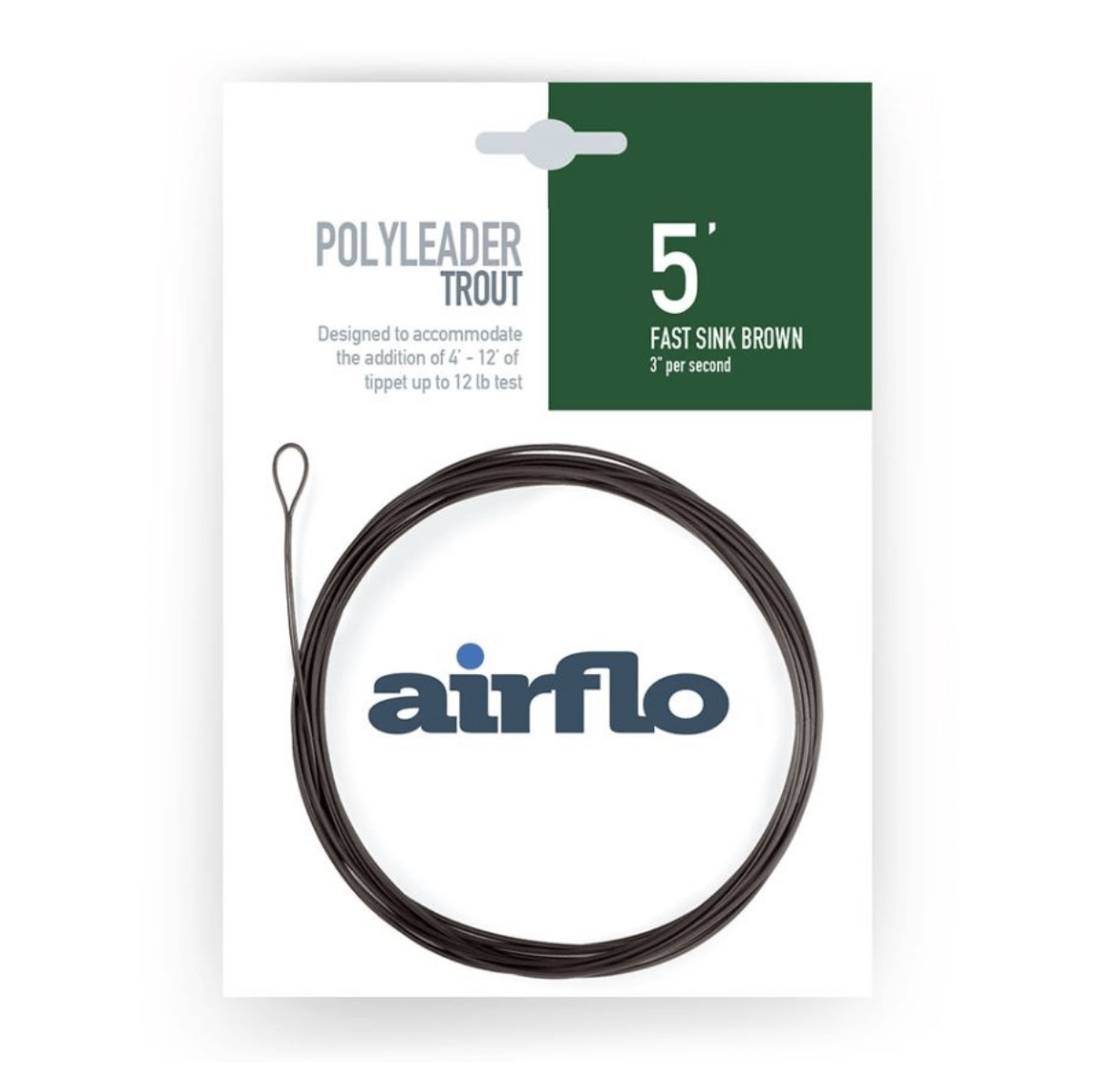
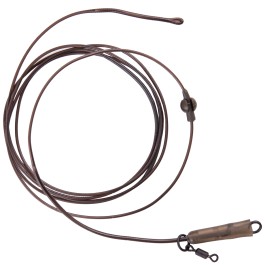
Top scorer
Top scorer
Scores are our own, out of 10. Best in each row is in green. Prices change, so check the latest before you buy.
The full rundown
Everything you'll want to know about the ESP Soft-Steel Fluorocarbon
There’s a lot of hooklink material about these days, mate. Nylon, braid, coated braid, stiff fluorocarbon and every shade of “specialist” line you can imagine. ESP Soft-Steel Fluorocarbon sits in a useful middle ground. It gives you the stealthy look of fluorocarbon, but without feeling like you’re trying to tie rigs with garden wire.
That’s the main reason it catches the eye. Traditional fluorocarbon can be brilliant in clear water, but some versions are seriously springy. Great for kicking a hooklink away from a feeder or lead, perhaps, but not always ideal when you want a bait to settle naturally beside a bed of particles. Soft-Steel is aimed at making that job a bit easier.
For coarse and match fishing, that balance can be bang on. Fish in clear commercial lakes, canals and gravel pits often get a proper eyeful of terminal tackle. A fine, low-visibility hooklink won’t make a bad rig brilliant, obviously, but it can remove one more reason for a fish to turn away at the last second.
The soft handling also makes it useful for a broad spread of rigs. Think simple float rigs for skimmers and roach, short feeder hooklinks for bream, or a neat hair-rigged presentation when carp are grubbing around in the margins. It’s not locked into one style of fishing, which is always handy when your tackle bag is already bursting at the seams.
On a waggler or pole-style setup, a subtle fluorocarbon hooklink can be a smart choice when the water’s clear and the fish are inspecting everything. Keep the rig balanced, use a sensible hook size and don’t go daft with diameter. The point is to make the bait look natural, not to build a tow rope under a float.
For feeder work, it offers a nice bit of security around the feeder and on the bottom. That extra abrasion resistance is reassuring when bream are rooting through grit or carp are nosing around near the margins. Just remember that softness is relative. It’s more manageable than stiff fluorocarbon, but it won’t behave exactly like limp nylon.
Knotting is where you need to pay attention. Fluorocarbon rewards patience. Moisten the knot, pull it down steadily and make sure the coils sit neatly. A rushed knot, a crossed loop or a damaged section can turn a cracking hooklink into a very expensive “why did that snap?” moment when a lump finally gets on the munch.
It’s also worth checking the business end often. Run your fingers along the last few inches after a fish, a snag or a scrape against the feeder. If it feels rough, bin that section and retie. A fresh hooklink is cheap insurance, especially when the rods are off and you’re hoping for a bite-time bonus.
The only real question is whether the line matches your venue. For open-water coarse fishing, clear swims and pressured commercials, it makes plenty of sense. For brutal snags, thick reedbeds or snaggy carp work where you need maximum control, step up your whole end tackle rather than relying on a fine fluorocarbon hooklink to do heroic stuff.
Overall, ESP Soft-Steel Fluorocarbon is a properly useful bit of terminal tackle. It’s subtle, versatile and less of a faff than many harder fluorocarbons. Pick the right diameter, tie it carefully and it gives you a tidy presentation that’ll cover a lot of coarse and match-fishing situations.
Specifications
The nuts and bolts
- Material
- Fluorocarbon
- Use
- Hooklinks and terminal tackle
- Finish
- Low visibility
- Handling
- Soft and relatively supple for fluorocarbon
- Applications
- Coarse, match, feeder and float fishing
- Spool options
- Sold in a range of diameters and breaking strains
Specs checked with ESP, Oct 2026.
Spot a model or spec change?
Our take
Why it stands out
The big appeal is the balance. You get fluorocarbon’s discreet look and good abrasion resistance, but with enough softness for natural bait presentation and quick, tidy rigs.
That makes it a versatile option for feeder, waggler and short-range float work. It’s not a magic wand, mind, and ultra-fine diameters still need sensible knotting and drag settings.
What you’re buying
A stealthy hooklink with a softer side
ESP Soft-Steel Fluorocarbon is designed for anglers who want fluorocarbon’s low-visibility finish and useful abrasion resistance, but with more manageable handling. That makes it easier to build short hooklinks, hair rigs and simple float-fishing traces without battling loads of spring and memory.
It remains a specialist line rather than a floppy nylon substitute. Heavier diameters will still have some stiffness, and that can actually be useful when you want the hooklink to kick away from the feeder or help reduce tangles. In finer sizes, it becomes a much subtler option for cautious silverfish and pressured carp.
Worth knowing. Don’t judge fluorocarbon by appearance alone. A fine, carefully tied hooklink can be more effective than simply dropping down to the lightest material in the box. Keep an eye on knots, cover and fish size first; stealth comes after basic reliability.
Where it earns its keep
Made for clear water and tidy presentations
This is a strong fit for coarse and match anglers fishing clear canals, gravel pits and commercial lakes where fish have plenty of time to inspect the rig. It’s also handy when bright weather puts every strand of line under the spotlight. A discreet hooklink can help keep the whole presentation looking less obvious.
Use it for feeder hooklinks when you want a bit of abrasion resistance around the feeder, or for float rigs where a subtle connection to the hook matters. Carp, tench, bream, skimmers, roach and hybrids can all be targeted with it, provided the diameter and hook size are sensible for the job.
It’s less suitable for fishing that involves dragging fish away from savage snags. In that situation, tackle choice needs to be driven by control and safety, not just invisibility. Likewise, if you want a hooklink that folds over itself with almost no memory, soft nylon or braid may be the better shout.
Quick answers
The stuff you’ll want to know on the bank
Does it need a special rig? Not really. It works with straightforward knotless knots, grinner-style connections and other familiar hooklink knots, depending on your setup. The important bit is tying neatly and checking that the knot has seated properly before you clip up and cast.
Should you use the finest size available? Only if the venue and target fish allow it. Fine tackle can be brilliant for bites, but a bigger fish near cover changes the picture quickly. Choose a sensible compromise that gives the bait freedom without leaving you undergunned.
Worth knowing. After a fish or snag, inspect the hooklink from hook to swivel. If there’s a kink, cloudy patch, nick or rough feeling, retie it. That tiny bit of faff is much nicer than watching a screaming take turn into a lost fish.
On paper
Pros & cons
What we like
- Discreet in clear water and bright conditions.
- More supple than many standard fluorocarbon hooklink materials.
- Works across float, feeder and light ledgering setups.
- Good abrasion resistance for general coarse-fishing situations.
- Available in a useful range of diameters and breaking strains.
Worth knowing
- Still has more memory than ordinary nylon, especially in heavier sizes.
- Can be unforgiving if knots are rushed or poorly seated.
- Not the first choice for heavy weed, roots or really brutal snag fishing.
Want one?
Add it to your Wanted list or join a Group Buy — shops see anonymous totals only.
Your questions answered
What anglers want to know
The stuff you’d ask your mate on the next peg. Straight answers, no waffle.
01Is ESP Soft-Steel Fluorocarbon good for commercial carp?
Is ESP Soft-Steel Fluorocarbon good for commercial carp?
Yes, particularly for clear margins, shallow work and pressured pools where carp can be suspicious of obvious line. Match the diameter to the fish and cover rather than automatically fishing the finest option.
02Can you use it for feeder fishing?
Can you use it for feeder fishing?
You can. It suits short hooklinks for method feeder, pellet feeder and conventional feeder work, especially where abrasion resistance and a subtle presentation matter. Keep the hooklink length matched to the mood of the fish.
03How should ESP Soft-Steel Fluorocarbon be tied?
How should ESP Soft-Steel Fluorocarbon be tied?
Tie neat, uncomplicated knots, moisten them properly and pull them down slowly. Check the knot and the final few inches after every fish, snag or rough landing-net encounter.
What anglers say
The word from the bank
Our read: the verdict. The strongest reasons to choose it are discreet in clear water and bright conditions. and more supple than many standard fluorocarbon hooklink materials.; the main trade-off is still has more memory than ordinary nylon, especially in heavier sizes..
Our take on the feedback
Why it appeals
Checked Sept '26 — “Discreet in clear water and bright conditions.”
Best fit
Checked Sept '26 — “Match and commercial anglers: Ideal when fish have seen plenty of tackle and a discreet, tidy hooklink can nick you a few extra bites.”
Worth knowing
Checked Sept '26 — “Still has more memory than ordinary nylon, especially in heavier sizes.”
Tackle Index’s take from the product details and fishing fit we checked. We haven’t found enough independent public feedback to call this an angler consensus yet.
Angler score
What our readers rate ESP Soft-Steel Fluorocarbon
No angler score yet — nobody's reviewed ESP Soft-Steel Fluorocarbon here. Be the first and get the score started.
Owner reports
Own this? Help the next angler.
Quick multiple-choice reports from people who say they own the ESP Soft-Steel Fluorocarbon. Not verified purchases, and kept separate from our score.
No owner reports yet.
Alternatives & go-withs